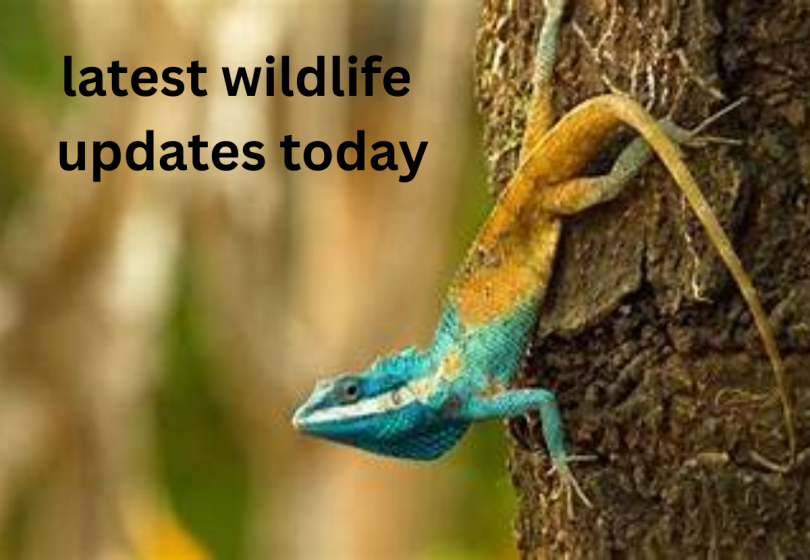

In recent years, people around the world have noticed a steady rise in unexpected encounters with wildlife, and this trend has become even more noticeable with wild animal sightings 2026. From suburban neighborhoods to remote hiking trails, animals are showing up in places they were rarely seen before. This shift has sparked curiosity, concern, and a growing interest in understanding why these sightings are increasing and what they mean for both humans and the natural world.
Why Wild Animal Sightings Are Increasing in 2026
1. Climate Change Is Reshaping Habitats
Climate patterns have shifted noticeably over the last few years. Rising temperatures, droughts, melting ice, and changes in rainfall all play a role in forcing animals to reconsider where they live and how they migrate.
Here’s what that looks like in real life:
- Some bird species now arrive earlier or stay longer in certain regions.
- Species that rely heavily on snow or ice are traveling far beyond their historic ranges.
- Ocean temperatures are pushing fish, whales, seals, and other marine animals into new coastal zones.
In simple terms: when the climate changes, animals follow the conditions they need to survive, leading to growing sightings in unexpected places.
2. Urban Development Is Shrinking Wildlife Territory
Cities continue to expand at a fast pace. Forests, grasslands, and wetlands are being cleared for housing, shopping centers, industrial zones, and roadways. As natural habitats shrink, animals are pushed closer to human populations.
This leads to:
- Coyotes, foxes, and raccoons searching for food in suburbs.
- Deer wandering from shrinking forests into residential areas.
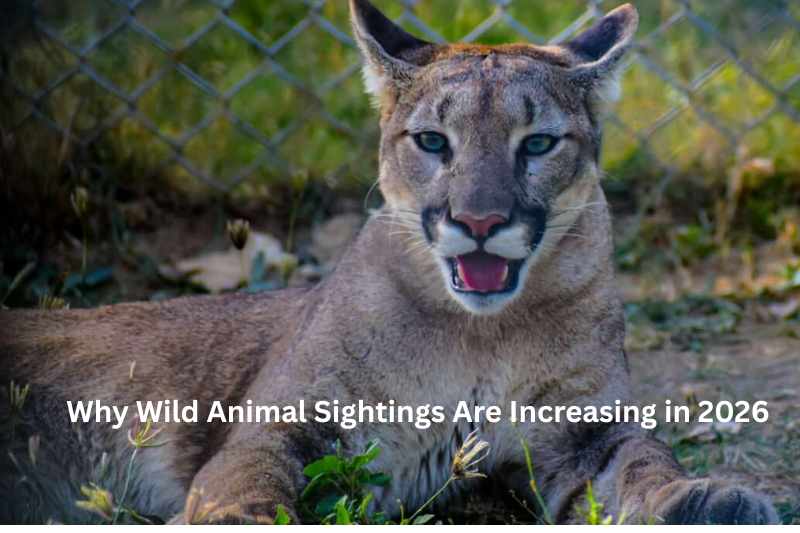
- Big cats, like mountain lions or leopards, crossing through hiking trails more often.
We sometimes think animals are intruding into “our space,” but in reality, we’ve often expanded into theirs.
3. Better Technology Means More Sightings Are Recorded
This is a major factor people often overlook.
Twenty years ago, many wild animals might have passed through a neighborhood completely unnoticed. Today, however:
- Doorbell cameras record everything that moves.
- Homeowners install inexpensive night-vision wildlife cameras.
- Drones capture wildlife from the sky.
- Social media spreads videos instantly.
Even if the actual number of animal wanderings has only increased slightly, our ability to document them has grown dramatically.
4. Conservation Efforts Are Working in Some Areas
The good news is that certain species have rebounded thanks to conservation programs, hunting regulations, and habitat protections. These rising populations naturally lead to more sightings.
Examples include:
- Protected bear populations that have slowly grown.
- Reintroduced wolf packs in certain regions.
- Improved marine protections helping increase whale and dolphin populations.
Not all wildlife news is alarming—some of it shows progress.
Wild Animals Most Frequently Spotted in 2026
The types of animals people report seeing most often vary by region, but here are some that stand out globally:
Foxes and Coyotes
Highly adaptable and comfortable living near humans, these animals are now common in both rural and suburban environments.
Black Bears
Especially in North America, black bears are frequently seen searching for food near homes, campsites, and wooded neighborhoods.
Deer
Due to declining natural predators in many regions, deer populations have grown, making sightings almost routine.
Whales and Dolphins
Shifts in ocean temperatures and prey availability have led to notable changes in where marine mammals are appearing.
Mountain Lions, Leopards, Lynx, and Other Big Cats
Although still rare, these sightings create the biggest media attention. Trail cameras have made confirming their presence much easier.
You may also like to read these posts:
Wild Animal Sightings 2026: A Deep Look at What’s Happening and Why
Endangered Species News: A Deep Dive into What’s Happening and Why It Matters
Rare Animal Discovery Stories: A Deep Dive Into Nature’s Most Surprising Encounters
Benefits of Increased Wild Animal Sightings
Seeing more wildlife isn’t universally a bad thing. There are several positive aspects to this trend.
1. Greater Awareness of Nature
People become more aware of the animals they share their region with. This can lead to stronger support for conservation and environmental protection.
2. Improved Scientific Understanding
More sightings mean more data for scientists studying migration, population changes, and ecological shifts. These insights help guide wildlife management and conservation efforts.
3. Success Stories for Protected Species
Some increasing sightings reflect successful conservation programs. Species that were once threatened are becoming stable or even thriving.
4. Educational Opportunities
Schools, nature groups, and communities use sightings to learn about wildlife behavior, habitat needs, and environmental change.
Drawbacks and Concerns About Increased Sightings
While there are benefits, there are also real challenges that come with more frequent interactions between humans and wildlife.
1. Increased Risk of Human–Animal Conflict
Close encounters can lead to dangerous situations:
- Bears entering campsites or neighborhoods
- Big cats crossing paths with hikers
- Coyotes approaching children or pets
Even gentle animals like deer can become serious hazards near roads.
2. Wildlife Becoming Dependent on Human Food
When animals find easy meals in garbage bins, pet food, or deliberately fed snacks, they return more often. This can lead to:
- Loss of natural foraging behavior
- Increased aggression
- Animals being relocated or euthanized for safety reasons
3. Spread of Diseases
Some animals, like raccoons and rodents, can carry diseases that spread to pets or even humans. More encounters increase the chance of transmission.
4. Habitat Disruption
When animals are pushed into new areas due to habitat loss, it highlights ecological problems that must be addressed long-term.
What to Do If You Encounter a Wild Animal in 2026
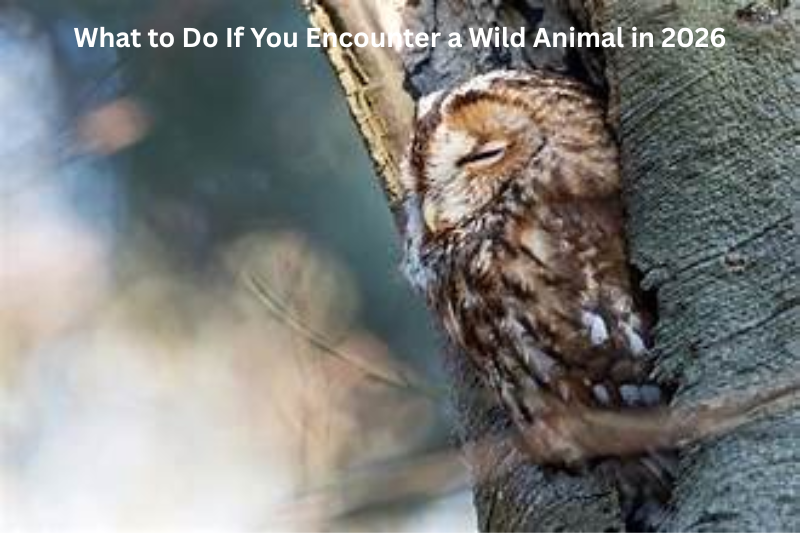
If you find yourself face-to-face with wildlife, the goal is always to stay safe and avoid stressing the animal.
Stay calm and keep a safe distance.
Do not approach, touch, or corner the animal.
Never feed wild animals.
Intentional or accidental feeding creates long-term problems.
Secure garbage, pet food, and outdoor food sources.
Reducing food access keeps animals from returning repeatedly.
Keep pets indoors or supervised.
This protects both your pet and the wildlife.
Report unusual or dangerous sightings.
Wildlife agencies track sightings to understand population trends and intervene only when necessary.
Final Thoughts on Wild Animal Sightings 2026
The rise in wild animal sightings in 2026 reflects a complicated but fascinating interaction between humans and nature. Part of it comes from environmental pressures, part from technological advancements, and part from conservation success stories.
No matter the reason, these sightings remind us of something important:
Wildlife is not separate from our world—we share the same planet, the same resources, and often the same spaces.
Understanding these changes helps us learn how to coexist more safely and responsibly with the animals around us. With thoughtful action, we can turn these sightings into opportunities for education, reflection, and better stewardship of the world we inhabit.
FAQs: Wild Animal Sightings 2026
1. Why are wild animal sightings increasing in 2026?
Wild animal sightings are rising due to a combination of factors: climate change shifting habitats, urban expansion pushing animals closer to humans, better technology for spotting and recording wildlife, and the success of conservation programs helping some species recover.
2. Which animals are most commonly spotted?
In 2026, the most frequently reported animals include foxes, coyotes, deer, black bears, whales, dolphins, and occasionally large predators like mountain lions or leopards. Sightings depend on the region and local ecosystems.
3. Are these increased sightings dangerous?
Most wildlife sightings are harmless if you maintain a safe distance. However, larger animals like bears or big cats, and even deer near roads, can be dangerous. Avoid feeding animals, keep pets supervised, and follow local wildlife guidelines.
4. How can I safely observe wild animals?
Stay calm and keep a safe distance.
Never attempt to touch or feed them.
Use binoculars or cameras for observation.
Follow local wildlife agency guidelines.
5. Do these sightings mean animal populations are increasing?
Sometimes, yes. Some sightings reflect successful conservation efforts or species rebounding from previous declines. Other times, animals are moving into new areas because of habitat loss or climate changes rather than population growth.