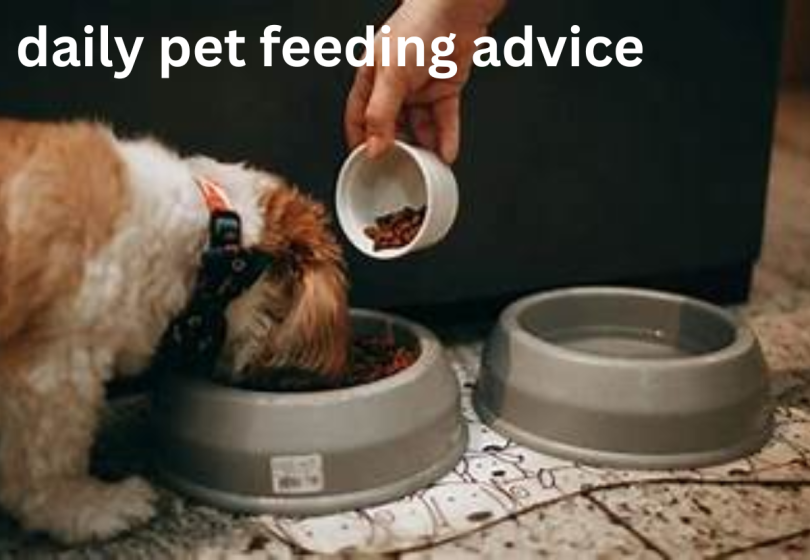

Feeding your pet properly is one of the greatest gifts you can give them. Whether you’re raising a playful puppy, a relaxed senior cat, or anything in between, good feeding habits support your pet’s long-term health, energy, and happiness. If you’re here looking for daily pet feeding advice, you’re already taking an important step toward being a responsible, loving pet parent.
This guide is written in a conversational, simple way—just as if we’re sitting together chatting about your furry friend. Let’s dive in!
1. Understand Your Pet’s Nutritional Needs
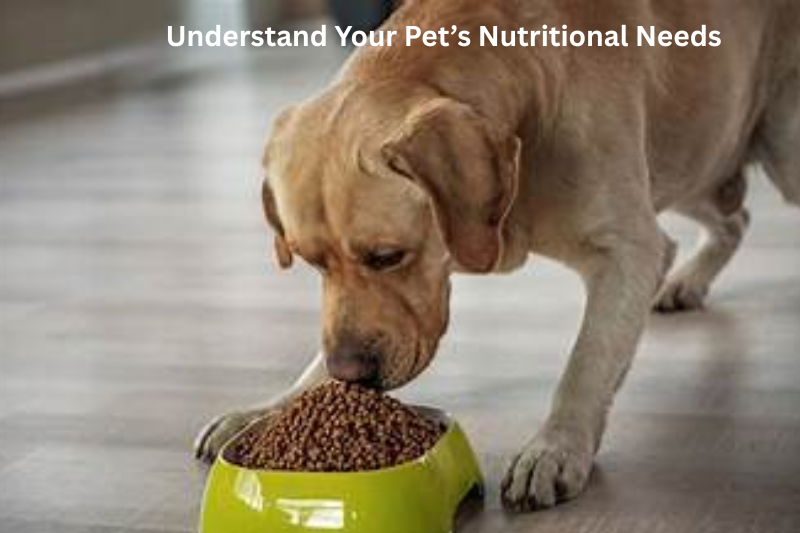
One-size-fits-all feeding doesn’t work. Pets have different nutritional needs depending on their:
- Species (dog, cat, rabbit, etc.)
- Breed
- Age
- Weight
- Activity level
- Health conditions
- Lifestyle (active, indoor-only, working dog, etc.)
Dogs
Dogs need a mix of:
- High-quality proteins for muscle development
- Healthy fats for energy and skin health
- Carbohydrates for fuel
- Vitamins and minerals for immunity
Life stages matter:
- Puppies: Need higher calories, high protein, and more frequent meals
- Adults: Balanced diet for maintenance
- Seniors: Lower calories, joint support ingredients, easy-to-digest foods
Cats
Cats are obligate carnivores, meaning:
- They must have high protein
- Their bodies rely on animal-based amino acids
- Carbohydrates should be limited
Life stage nutrition:
- Kittens: Extra protein and fats for growth
- Adults: Steady protein levels
- Seniors: Foods supporting kidney health and mobility
2. Follow a Consistent Feeding Schedule
A predictable feeding routine helps digestion and prevents overeating. It’s also a great way to build trust.
Dogs
- Puppies: 3–4 meals per day
- Adults: 2 meals per day (morning and evening)
- Seniors: 2 smaller, gentle meals
Cats
- Kittens: 3–4 meals
- Adults: Ideally 2–3
- Free-feeding (leaving food out all day):
Works only for cats that naturally self-regulate. Many don’t, leading to weight gain.
Tip: Try feeding at the same times daily to regulate appetite and behavior.
3. Practice Portion Control
Overfeeding is surprisingly easy—and extremely dangerous.
Why portion control matters:
- Prevents obesity
- Reduces risk of diabetes
- Helps avoid joint issues
- Improves digestion
- Supports longer life
How to control portions:
- Follow guidelines on food packaging
- Use a measuring cup instead of guessing
- Reduce portions for less active pets
- Avoid giving table scraps
Remember: Treats should be no more than 10% of daily calories.
4. Choose High-Quality Food
Quality matters just as much as quantity.
What high-quality dog and cat foods typically include:
- Real meat as the first ingredient
- Minimal fillers (like corn, soy, wheat)
- No artificial colors or preservatives
- Essential fatty acids (Omega-3 and Omega-6)
- Added vitamins and minerals
Wet vs. Dry Food
- Dry food: Good for teeth, convenient, cost-effective
- Wet food: Hydrating, tastier, easier for seniors
- Combination feeding: A mix of both is often ideal
If your pet has allergies, sensitive stomach, or skin problems, specialized food may be necessary.
5. Always Provide Fresh Water
Hydration is essential to your pet’s digestion, temperature regulation, and overall health.
Tips for hydration:
- Keep water bowls clean
- Refill daily (or several times a day)
- Use pet water fountains to encourage drinking
- Add wet food if your pet rarely drinks
Cats especially can be picky drinkers—flowing water often helps.
6. Choose Healthy Treats
Treats are wonderful for bonding and training but must be used wisely.
Healthy treat options:
- Small bits of cooked chicken or turkey
- Freeze-dried meat treats
- Dental chews
- Low-calorie cat treats
Avoid giving:
- Chocolate
- Onions, garlic
- Grapes, raisins
- Sugary or salty snacks
- Processed human foods
7. Monitor Your Pet’s Behavior and Body Condition
Your pet can’t talk—but their body can communicate.
Signs to watch:
- Sudden weight gain
- Sudden weight loss
- Lack of appetite
- Excessive thirst
- Diarrhea or vomiting
- Tiredness after eating
Regular vet visits help catch issues early.
8. Adjust Feeding Based on Special Needs
Some pets may require specialized diets:
Common special diets:
- Grain-free
- Limited-ingredient
- Hypoallergenic
- Urinary health support
- Kidney support
- Weight management
- Diabetic diets
- High-protein diets (for active dogs and cats)
Never switch foods abruptly—always transition gradually over 7–10 days.
You may aslo like to read these posts\:
Latest Wildlife Updates Today: A Deep Look at What’s Happening in the World of Wildlife
Global Animal News Reports: A Complete, In-Depth Look at the World of Wildlife
Wild Animal Sightings 2026: A Deep Look at What’s Happening and Why
Endangered Species News: A Deep Dive into What’s Happening and Why It Matters
Benefits of Following Daily Pet Feeding Advice

Here are the positive outcomes when you follow structured, healthy feeding habits:
✔ 1. Longer Lifespan
Pets with proper nutrition often live years longer.
✔ 2. Better Weight Control
Proper portions prevent obesity and related diseases.
✔ 3. Improved Digestion
A consistent schedule improves gut health.
✔ 4. Healthier Skin and Fur
Quality food helps reduce shedding and dryness.
✔ 5. Stronger Immune System
Balanced diets support immunity and disease prevention.
✔ 6. More Energy & Better Mood
A well-fed pet is happier, more active, and less irritable.
✔ 7. Better Behavior
Regular feeding times reduce anxiety, whining, and begging.
Drawbacks or Challenges of Daily Pet Feeding Practices

Although the benefits are huge, there are a few potential drawbacks to be aware of. These aren’t problems with good feeding habits—they’re challenges pet owners need to manage.
⚠️ 1. Feeding Requires Consistency
Some owners find it difficult to stick to strict schedules.
⚠️ 2. High-Quality Food Can Be Costly
Premium foods are pricier, but usually worth it.
⚠️ 3. Overfeeding Happens Easily
Even with good intentions, treats and scraps can cause weight gain.
⚠️ 4. Every Pet Is Different
What works for one may not work for another, making trial and error necessary.
⚠️ 5. Pets May Be Picky
Some pets, especially cats, reject new foods.
⚠️ 6. Certain Diets Need Vet Supervision
Especially for pets with allergies or medical conditions.
Final Thoughts
Following good daily pet feeding advice isn’t complicated—it’s all about:
- Understanding your pet’s needs
- Choosing the right food
- Serving proper portions
- Maintaining a routine
- Monitoring health and behavior
A healthy diet leads to a happier, more active pet and strengthens the bond you share. Your pet relies on you—and with the right feeding habits, you’re giving them the best chance at a long, healthy, love-filled life.
FAQs
1. How often should I feed my pet?
It depends on the species, age, and activity level:
Puppies: 3–4 small meals per day
Adult dogs: 2 meals per day (morning and evening)
Senior dogs: 2 smaller meals, easier to digest
Kittens: 3–4 meals per day
Adult cats: 2–3 meals per day
Free-feeding: Only recommended for cats that self-regulate their intake.
2. Can I give my pet human food as treats?
Some human foods are safe in small amounts (like cooked chicken, plain rice, or carrot slices). But many foods can be dangerous, including chocolate, onions, garlic, grapes, raisins, and anything with high sugar or salt. Always research first or check with your vet.
3. Should I feed wet or dry food?
Both have benefits:
Dry food: Helps with teeth, convenient, lasts longer
Wet food: Hydrating, easier to eat, tastier for picky pets
Combination feeding: Often the best approach for balanced nutrition.
4. How do I measure the right portion size?
Check the food label for daily feeding guidelines.
Use a measuring cup instead of guessing.
Adjust for your pet’s age, weight, and activity level.
Treats should be less than 10% of daily intake.
5. What should I do if my pet refuses food?
Check for health issues—loss of appetite can indicate illness.
Make sure the food is fresh and at the right temperature.
Gradually transition to new foods rather than switching abruptly.
If refusal persists, consult a veterinarian.