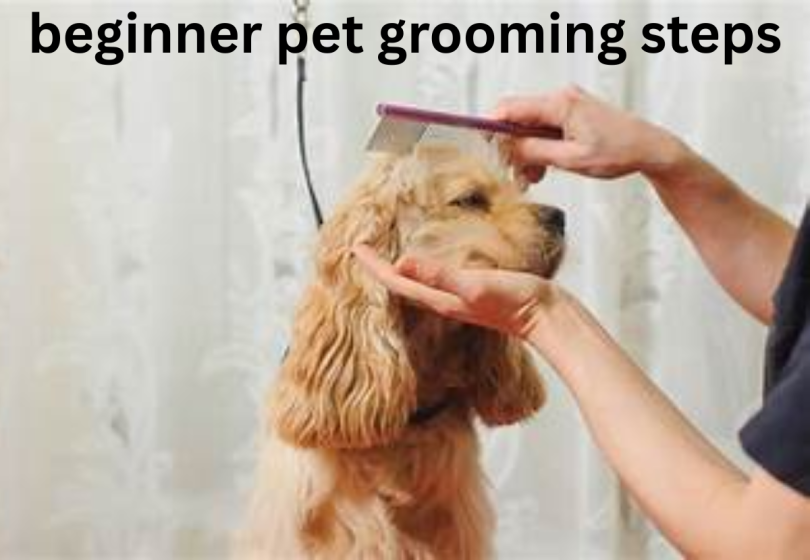

If you’re new to grooming your pet at home, take a deep breath—you’ve got this. Every pet parent starts out unsure, and it’s completely normal to feel a bit overwhelmed. The good news is that grooming doesn’t have to be complicated. With the right knowledge, tools, and a gentle approach, you can turn grooming time into one of the most enjoyable bonding experiences with your pet.
In this detailed guide, we’ll go step-by-step through the most important beginner pet grooming steps, along with the benefits, drawbacks, and practical tips to help you groom like a pro.
Why Grooming Is Essential
Before diving into the steps, let’s look at why grooming matters beyond looks.
Grooming Helps With:
- Keeping skin and coat healthy
- Preventing mats, tangles, and painful knots
- Reducing shedding around your home
- Keeping your pet smelling fresh
- Preventing infections (ears, skin, paws)
- Spotting health issues early
- Building a strong bond between you and your pet
Now let’s walk through the full grooming routine.
Beginner Pet Grooming Steps (With Benefits & Drawbacks)
1. Prepare Your Tools First
Nothing makes grooming stressful like realizing halfway through a bath that you forgot the shampoo or towel. Preparation is the key to a smooth experience.
You Should Have:
- A coat-appropriate brush/comb
- Pet-safe shampoo & conditioner
- Towels (preferably absorbent microfiber)
- Nail clippers or grinder
- Ear-cleaning solution
- Cotton balls or pads
- Toothbrush & pet toothpaste
- Treats (the secret weapon!)
Benefits
- Makes the process smoother and calmer
- Helps avoid accidents or chasing a wet pet
- Keeps grooming efficient
Drawbacks
- Buying tools can feel overwhelming or expensive at first
- Using the wrong tool for the coat type can cause discomfort
2. Start With Brushing the Coat
Brushing is the foundation of all grooming routines, especially for dogs and long-haired cats.
Why Brushing First Helps
- Removes dirt, loose hair, and minor tangles before bathing
- Prevents mats from tightening
- Helps distribute natural oils
- Prepares your pet mentally for grooming
How to Brush Properly
- Brush in the direction of hair growth
- Be gentle around sensitive areas (belly, tail, behind ears)
- For long-haired pets, use a detangling spray if needed
- Work slowly and reward often
Benefits
- Great for reducing shedding
- Helps you check for fleas, ticks, bumps, or sores
- Strengthens trust between you and your pet
Drawbacks
- Some pets dislike brushing at first
- Brushing matted fur can be uncomfortable if done incorrectly
- Requires patience with long-haired breeds
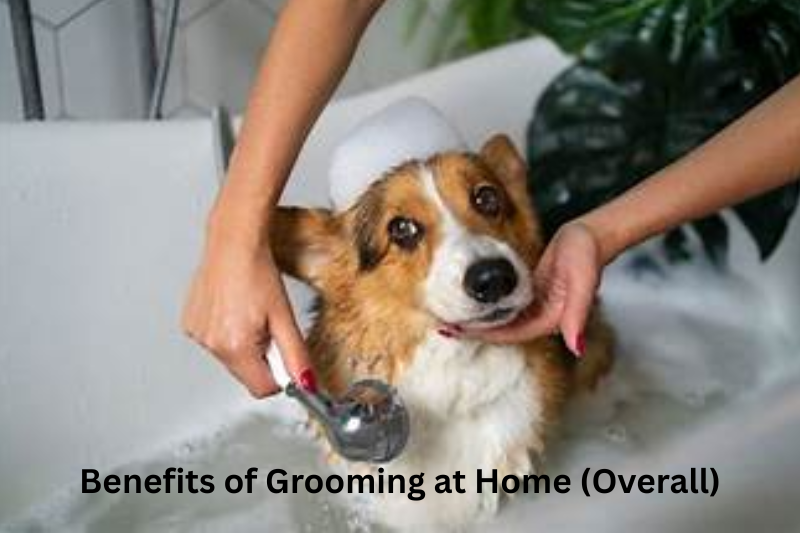
3. Bath Time: Clean and Refresh
Not all pets need frequent baths. Most dogs do fine with a bath every 3–6 weeks, while cats may need even less unless they’re very fluffy or elderly.
How to Bathe Your Pet
- Use lukewarm—not hot—water.
- Wet the coat thoroughly.
- Apply pet-safe shampoo (never human shampoo).
- Massage gently without rubbing aggressively.
- Avoid eyes and inside the ears.
- Rinse thoroughly until no suds remain.
- Apply conditioner for long-haired or dry-coated pets.
- Dry using towels or a low-heat blow dryer.
Benefits
- Helps remove dirt, dander, and odors
- Keeps coat soft and healthy
- Makes your pet more comfortable
- Reduces allergens in your home
Drawbacks
- Some pets are afraid of water
- Too-frequent bathing can dry out the skin
- Long-haired pets require more time to dry fully
- Can be messy for beginners
4. Ear Cleaning
Many new pet owners skip this step, but it’s essential—especially for floppy-eared dogs.
How to Clean the Ears
- Moisten a cotton ball with ear-cleaning solution
- Gently wipe the inside of the outer ear
- Do NOT push anything deep into the ear canal
- If your pet shakes their head afterward, that’s normal
Benefits
- Reduces risk of infections
- Helps remove wax and trapped dirt
- Allows you to detect issues early
Drawbacks
- Some pets may resist ear cleaning
- Using harsh or wrong products can irritate the ears
- Improper cleaning can push debris deeper
5. Nail Trimming
Nail trimming is often the most intimidating step for beginners—but it’s easier than it seems with practice.
How to Trim Nails Safely
- Hold the paw gently but firmly
- Trim a tiny bit at a time
- Aim for the tip—avoid the pink “quick”
- If unsure, use a grinder instead of clippers
- Reward after each nail for nervous pets
Benefits
- Prevents painful overgrowth
- Reduces risk of paw injuries
- Helps pets walk comfortably
Drawbacks
- Cutting too short can cause bleeding
- Pets often fear nail trimming
- Requires patience and steady hands
6. Teeth Brushing
Dental care is one of the most forgotten grooming steps, yet it’s incredibly important.
How to Brush Your Pet’s Teeth
- Use pet-safe toothpaste (never human toothpaste)
- Use a toothbrush or finger brush
- Brush in gentle circular motions
- Focus on outer surfaces of teeth
- Brush 2–3 times a week if possible
Benefits
- Reduces plaque and tartar buildup
- Keeps breath fresh
- Prevents gum disease and tooth loss
Drawbacks
- Many pets resist tooth brushing at first
- Requires consistency to be effective
- Some pets may need professional cleanings regardless
7. Final Brush & Reward Time
After all the grooming steps, give a final brush to smooth the coat and remove any loosened fur.
Then—even more importantly—give your pet a reward.
Benefits
- Helps create positive grooming associations
- Reinforces good behavior
- Leaves coat shiny and neat
Drawbacks
- None—pets love this part!
Extra Tips for Beginners
- Start small: groom for 5–10 minutes at first
- Stay calm and patient
- Use treats generously
- Never force your pet if they’re frightened—pause and resume later
- Make grooming part of your weekly or biweekly routine
- Keep sessions fun, not stressful
You may also like to read these posts;
Latest Wildlife Updates Today: A Deep Look at What’s Happening in the World of Wildlife
Global Animal News Reports: A Complete, In-Depth Look at the World of Wildlife
Wild Animal Sightings 2026: A Deep Look at What’s Happening and Why
Endangered Species News: A Deep Dive into What’s Happening and Why It Matters
Benefits of Grooming at Home (Overall)
- Saves money compared to professional groomers
- Builds a stronger bond with your pet
- Helps you notice health issues early
- Reduces shedding in the home
- Keeps your pet cleaner and more comfortable
- Allows you to groom at your pet’s pace
Drawbacks of Home Grooming (Overall)
- Takes time to learn the correct techniques
- Some pets may be resistant at first
- Certain tasks like severe mat removal or anal gland expression require professionals
- Can get messy without proper setup
- Long-haired breeds need more equipment and patience
Learning the beginner pet grooming steps is one of the best investments you can make in your pet’s well-being. With patience and gentle handling, grooming becomes a peaceful, enjoyable routine that benefits both of you. There may be challenges along the way, but the rewards—cleanliness, comfort, bonding, and health—are absolutely worth it.
FAQs
1. How often should I groom my pet at home?
The frequency depends on your pet’s breed and coat type. Short-haired dogs may need brushing once a week, while long-haired dogs and cats may need daily brushing. Baths are usually every 3–6 weeks for dogs, while cats often only need occasional baths. Nails and teeth should also be checked regularly.
2. Can I use human shampoo on my pet?
No! Human shampoo is too harsh for a pet’s skin and can cause dryness or irritation. Always use a pet-safe shampoo designed for your pet’s coat type and skin sensitivity.
3. My pet hates grooming. How can I make it easier?
Start slowly. Groom for just a few minutes at a time, offer lots of treats, and use calm, reassuring words. Making grooming a positive experience gradually builds trust. Over time, most pets learn to enjoy it.
4. How do I know if my pet’s nails are too long?
If you hear clicking sounds when your pet walks on hard floors, or you notice their nails touching the ground while standing, they are likely too long. Long nails can affect walking and may cause pain.
5. Can I cut my pet’s hair at home?
Yes, but only if you feel comfortable and have the right tools. Scissors or clippers should be used carefully to avoid cutting the skin. For complicated trims, especially around paws, face, or sanitary areas, it’s safer to consult a professional groomer.