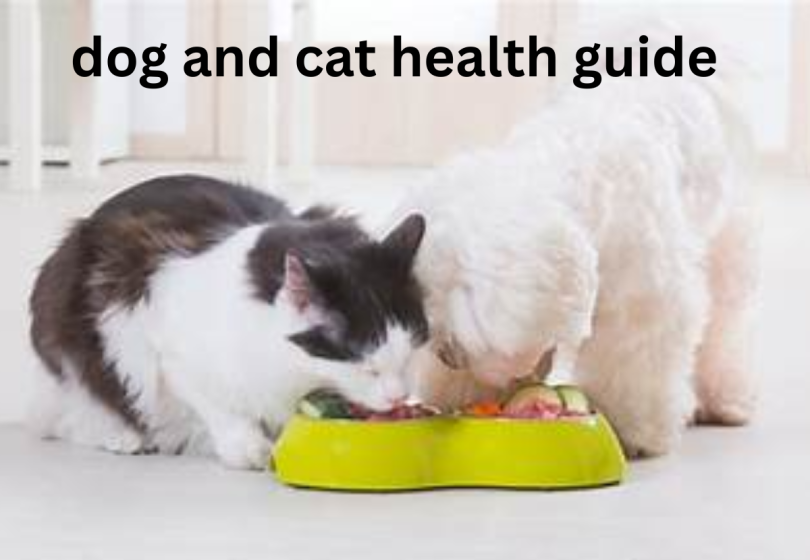

Welcome! If you’re reading this, you’re clearly a caring pet parent who wants the best for your furry family members. This Dog and Cat Health Guide is designed to walk you through everything you need to know—from nutrition to grooming to emotional well-being—all explained in a simple, friendly, talk-to-you style.
Whether you’re a first-time pet parent or a long-time animal lover, this guide will help you raise a healthy, happy dog or cat… and understand the benefits (and sometimes drawbacks) of different care approaches.
1. Nutrition: The Cornerstone of Pet Health
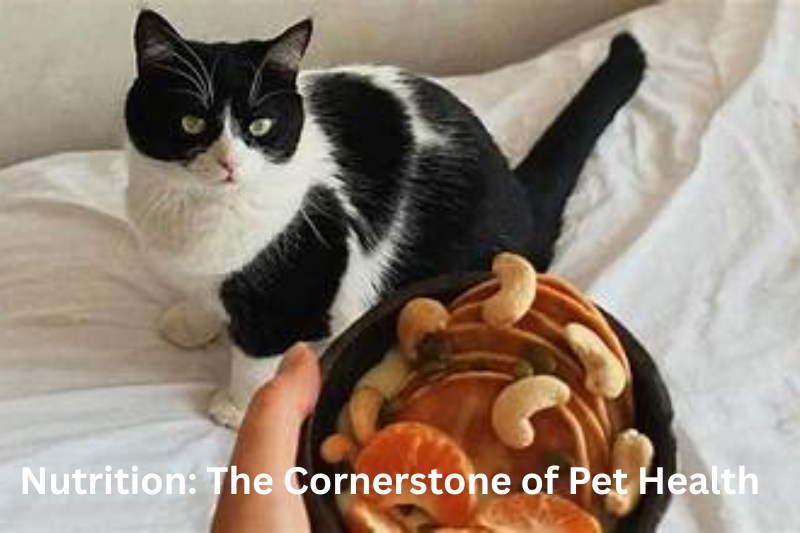
Let’s start with the basics: food. Just like humans, dogs and cats rely on balanced, nutritious diets to stay strong.
Dogs: What They Need
- High-quality protein sources (chicken, beef, salmon)
- Complex carbohydrates (sweet potato, rice, oats)
- Healthy fats for skin, coat, and energy
- Essential vitamins and minerals
Benefits of a proper diet for dogs
- Better digestion
- Shinier coat and healthier skin
- Improved immune function
- Higher energy levels
- Longer life expectancy
Drawbacks of improper diet
- Obesity
- Food allergies
- Digestive issues
- Low energy
- Risk of chronic illnesses (diabetes, pancreatitis, etc.)
Cats: What They Need
Cats are obligate carnivores, which means:
- Animal protein is essential
- They need taurine (an amino acid only found in meat)
- Wet food helps maintain hydration and urinary health
Benefits of a proper diet for cats
- Healthy kidneys and urinary system
- Reduced shedding and hairballs
- Better weight management
- Increased muscle strength
Drawbacks of poor nutrition
- Urinary blockages
- Constipation
- Dry skin and coat problems
- Increased risk of obesity
- Digestive upset
A huge takeaway from this dog and cat health guide:
Nutrition is not something to guess—choose high-quality foods for long-term health.
2. Exercise & Mental Stimulation
Food keeps them healthy. Exercise keeps them balanced and happy.
Dogs: What They Need
- Daily walks (length depends on breed)
- Play sessions
- Mental challenges like puzzle toys
- Obedience training
Benefits
- Prevents obesity
- Reduces destructive behavior
- Strengthens joints
- Improves mood and sleep
- Builds a stronger bond between you and your dog
Drawbacks of insufficient exercise
- Anxiety and restlessness
- Chewing or tearing things
- Weight gain
- Boredom-induced aggression
Cats: What They Need
Cats may look lazy, but they need movement too.
- Daily playtime (5–15 minutes)
- Vertical spaces (cat trees, shelves)
- Puzzle feeders
- Interactive toys (wands, lasers, balls)
Benefits
- Prevents weight gain
- Reduces stress
- Improves mobility
- Keeps their hunting instincts satisfied
Drawbacks of insufficient stimulation
- Depression or withdrawal
- Scratching furniture
- Over-grooming
- Nighttime zoomies (lots of them!)
3. Veterinary Care: Essential for Prevention
Regular check-ups are the backbone of long-term health care.
Dogs: Needed Care
- Annual wellness exams
- Vaccinations
- Flea & tick prevention
- Dental cleaning
- Bloodwork for seniors
Benefits
- Early disease detection
- Longer lifespan
- Better control of chronic conditions
- Improved overall quality of life
Drawbacks (usually when skipped)
- Hidden illnesses become severe
- Painful dental problems
- Higher long-term medical costs
- Shortened lifespan
Cats: Needed Care
Cats are masters at hiding pain. This makes regular vet visits even more important.
- Annual or semiannual check-ups
- Vaccines
- Parasite prevention
- Bloodwork for aging cats
Benefits
- Prevention of silent diseases
- Better dental and kidney health
- Less suffering from untreated issues
- Increased longevity
Drawbacks of skipping vet care
- Conditions like kidney disease go unnoticed
- Urinary issues can become emergencies
- Dental disease becomes severe
- Shorter, less comfortable life
4. Grooming & Hygiene
Good hygiene keeps pets comfortable and prevents infections.
Dogs Need:
- Bathing every 4–6 weeks
- Weekly brushing
- Nail trimming every 2–4 weeks
- Ear cleaning
Benefits
- Less shedding
- Fewer skin infections
- Reduced odor
- Stronger coat health
Drawbacks of poor grooming
- Matted fur
- Bacterial skin infections
- Overgrown nails causing pain
- Ear infections
Cats Need:
- Regular brushing
- Nail trimming
- Occasional ear cleaning
- Litter box maintenance
Benefits
- Fewer hairballs
- Less shedding
- Reduced chance of infections
- Happier, calmer cat
Drawbacks of poor grooming
- Matted coats (especially in long-haired cats)
- Hairball blockages
- Overgrown nails
- Dirty litter boxes → stress and health problems
5. Common Health Problems in Dogs & Cats
Let’s talk about warning signs.
Common Dog Issues
- Vomiting & diarrhea
- Allergies
- Dental disease
- Arthritis
- Ear infections
- Anxiety
Common Cat Issues
- Not eating (very serious!)
- UTI or urinary blockages
- Vomiting hairballs frequently
- Kidney disease
- Hyperthyroidism in older cats
- Dental disease
Early detection benefits
- Less expensive treatments
- Higher recovery rates
- Less pain for your pet
Drawbacks of ignoring symptoms
- Emergency costs
- Complications
- Reduced lifespan
You may also like to read these posts:
Latest Wildlife Updates Today: A Deep Look at What’s Happening in the World of Wildlife
Global Animal News Reports: A Complete, In-Depth Look at the World of Wildlife
Wild Animal Sightings 2026: A Deep Look at What’s Happening and Why
Endangered Species News: A Deep Dive into What’s Happening and Why It Matters
6. Emotional & Behavioral Health
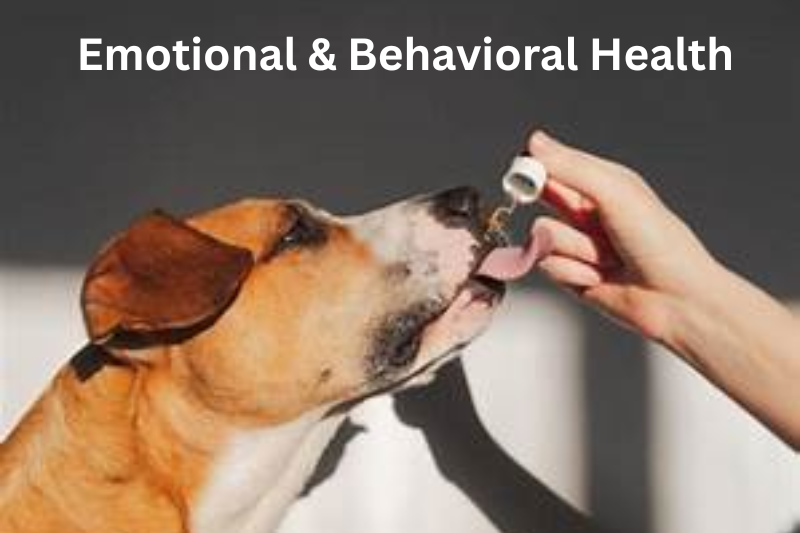
Pets have feelings. They experience stress, loneliness, jealousy, and frustration.
Dogs Need:
- Positive reinforcement
- Attention and companionship
- Routine
- Clear communication
Benefits
- Better behavior
- Less anxiety
- Stronger bond
Drawbacks of emotional neglect
- Separation anxiety
- Destructive behaviors
- Depression
Cats Need:
- Predictability
- Safe spaces
- Enough stimulation
- Respect for boundaries
Benefits
- Happy, confident cat
- Less aggression
- Reduced stress-related illnesses
Drawbacks
- Stress-induced urinary problems
- Hiding or withdrawing
- Aggressive outbursts
7. Senior Pet Care: Extra Love and Attention
Older pets need different care.
Senior Dogs
- Soft beds
- Joint supplements
- Slower, short walks
Senior Cats
- Warm sleeping areas
- Easy-to-reach litter boxes
- Frequent vet check-ups
Benefits of proper senior care
- Comfort in later years
- Pain management
- Better mobility
- Longer life
Drawbacks of ignoring senior needs
- Painful joints
- Reduced mobility
- Loss of appetite
- More illness
Final Thoughts: Your Complete Dog and Cat Health Guide
Thanks for sticking with this detailed dog and cat health guide!
The most important thing to remember is this:
Healthy pets aren’t just born—they’re raised with love, care, and knowledge.
If you nourish them well, exercise them, support their emotional needs, and stay proactive with vet care, your pets will enjoy long, joyful lives filled with wagging tails and happy purrs.
FAQs: Dog and Cat Health Guide
1. How often should I take my dog or cat to the vet?
Dogs: At least once a year for check-ups and vaccinations. Senior dogs may need every 6 months.
Cats: Annually, but older cats or those with chronic issues may benefit from semiannual visits. Even indoor cats need check-ups.
2. What is the best diet for my dog or cat?
Dogs: High-quality protein, complex carbs, healthy fats, and balanced vitamins/minerals. Avoid fillers and artificial ingredients.
Cats: Meat-based diets are essential. Wet food helps hydration and urinary health. Avoid dog food, as it lacks taurine.
3. How much exercise does my pet need?
Dogs: Depends on size and breed. Small dogs may need 20–30 minutes daily; active or large breeds need at least 1 hour of activity plus playtime.
Cats: At least 10–15 minutes of interactive play daily. Vertical spaces and puzzle feeders also help.
4. How can I tell if my pet is sick?
Watch for:
Vomiting or diarrhea lasting more than a day
Loss of appetite
Sudden weight change
Changes in behavior (hiding, aggression, or lethargy)
Excessive scratching or hair loss
5. How often should I groom my pet?
Dogs: Brush weekly, bathe every 4–6 weeks, trim nails every 2–4 weeks, clean ears regularly.