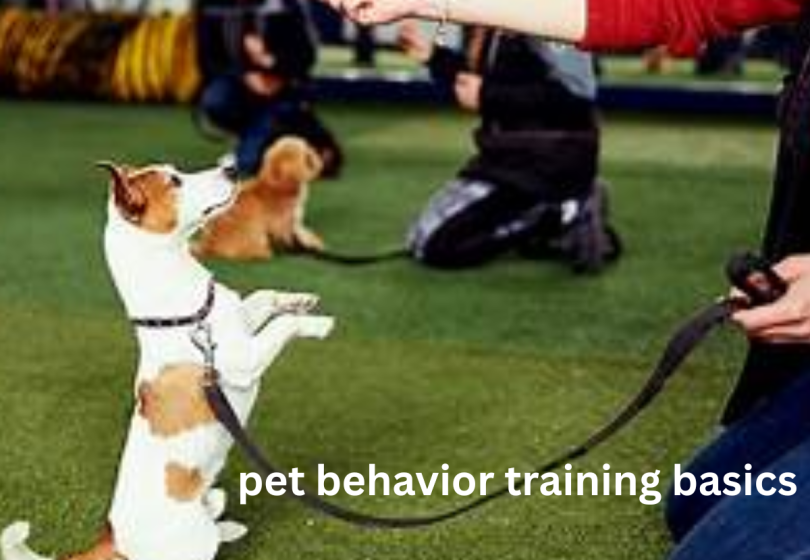

Training your pet can feel overwhelming at first—especially if they’re energetic, stubborn, or still figuring out how to fit into your household. But don’t worry! I’m here to walk you through the pet behavior training basics in a simple, friendly, “let’s talk about it” kind of way.
Whether you’re a first-time pet parent or someone looking to correct long-standing behavior issues, this guide will help you understand what really works, what doesn’t, and how to create a solid foundation for a happy, well-behaved companion.
What Are Pet Behavior Training Basics?
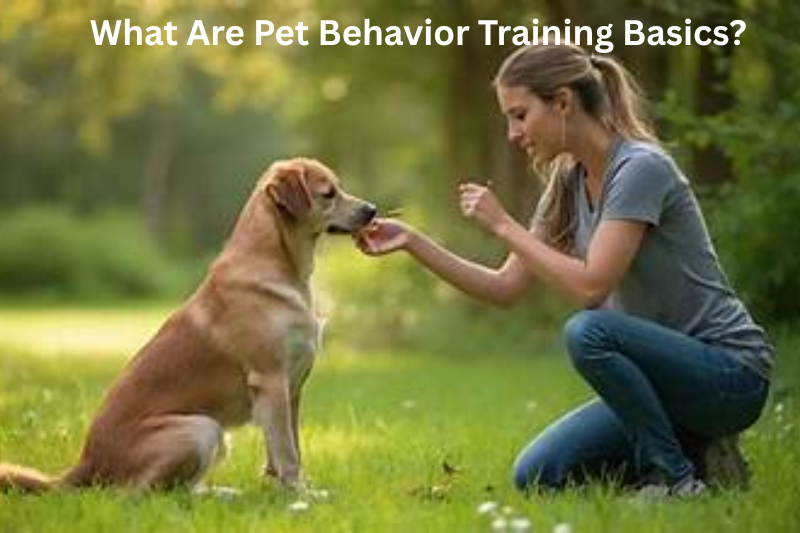
At its core, pet behavior training is about communication. Your pet doesn’t understand English—but they do understand tone, body language, repetition, and rewards.
The basics revolve around a few key principles:
- Clear commands
- Positive reinforcement
- Consistency
- Timing
- Redirection
- Socialization
Master these, and you’ve laid down the building blocks for any advanced training you may want to do later on.
Why Pet Behavior Training Matters So Much
Training is not just about correcting bad behavior. It’s about building a relationship based on trust and understanding.
Here’s why it’s essential:
- It keeps your pet safe. (Imagine a dog that always listens to “come” or “stay.”)
- It reduces stress—for both you and your pet.
- It helps prevent destructive habits and anxiety.
- It strengthens the bond between you and your animal.
- It helps your pet feel confident and secure.
Training is like giving your pet a roadmap: “Here’s what makes me happy, here’s what keeps you safe.” They just need the directions.
Start With Positive Reinforcement
This is the heart of pet behavior training basics, and honestly, it’s the easiest method for both pets and humans.
Positive reinforcement means rewarding the behaviors you want to see more of.
Rewards can be:
- Treats
- Toys
- Verbal praise (“Good boy!” “Great job!”)
- Belly rubs
- Playtime
Why it works:
Pets repeat behaviors that get them something good. If sitting calmly gets a treat, they’ll sit calmly more often. If jumping gets ignored but sitting gets attention, they’ll pick sitting.
Tip: Use high-value treats for tough training sessions—little chicken bits, cheese cubes, etc.
Consistency: The Rule You Cannot Ignore
Consistency is everything. Without it, even the smartest pet will get confused.
Here’s what consistency includes:
- Using the same commands every time
- Making sure every family member follows the same rules
- Rewarding or redirecting behavior immediately
If you allow the dog on the bed one day and scold them the next, they won’t know what to believe. Same with cats, birds, or any pet—mixed messages = mixed behaviors.
Use Clear, Simple Commands
Your pet doesn’t respond to long sentences. They need short, sharp commands.
Good examples:
- “Sit”
- “Stay”
- “Come”
- “Down”
- “Drop it”
- “Leave it”
Use:
- A calm, firm tone
- A consistent hand signal (optional but helpful)
- One command at a time
Never repeat a command ten times. Say it once, wait, and reinforce when they respond.
Timing: The Secret Ingredient to Good Training
Whether you’re rewarding or redirecting, timing must be instant.
Why?
Pets connect your reaction with what they’re doing right that second.
If your dog sits and you reward them three seconds later, they have no idea what caused the treat. If your cat scratches furniture but you react a minute later, your correction becomes meaningless.
Immediate reactions = clear communication.
Redirect Instead of Punish
Punishment almost always does more harm than good. It causes fear or anxiety, which can actually increase bad behavior.
Instead of punishment, use redirection.
Examples:
- Dog chewing on a shoe → replace with a chew toy
- Puppy jumping on guests → ask for a sit and reward it
- Cat scratching the sofa → guide them to a scratching post
Teach alternatives rather than simply saying “no.”
you may also like to read these posts:
Latest Wildlife Updates Today: A Deep Look at What’s Happening in the World of Wildlife
Global Animal News Reports: A Complete, In-Depth Look at the World of Wildlife
Wild Animal Sightings 2026: A Deep Look at What’s Happening and Why
Endangered Species News: A Deep Dive into What’s Happening and Why It Matters
Socialization: A Critical Part of Training
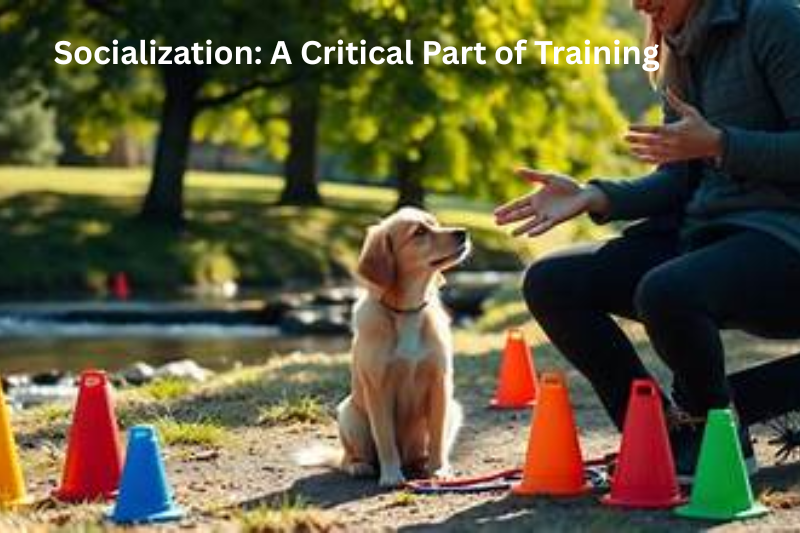
Many people think socialization is just for puppies—but all pets benefit from it.
This means exposing your pet to:
- Different people
- Other animals
- New sounds
- Different locations
- Various environments
Positive socialization builds confidence and reduces fear-based behaviors like aggression, hiding, barking, or stress.
Short and Frequent Training Sessions Work Best
Pets have short attention spans—especially young ones.
Try:
- 5–10 minutes per session
- 2–3 sessions per day
Small, frequent training bursts are more effective than long, tiring ones.
Stay Patient and Make It Fun
No matter how slowly your pet learns, stay patient. Every pet learns at their own pace.
Make training:
- Playful
- Rewarding
- Stress-free
If you or your pet gets frustrated, take a break. Training should feel like bonding, not a chore.
Benefits of Pet Behavior Training
Understanding the benefits helps you stay motivated. Here are the big ones:
✔ Stronger Bond
Your pet begins to trust and understand you better.
✔ Better Household Harmony
Less destruction, fewer accidents, and more peace.
✔ Increased Safety
A trained pet responds to commands that can prevent accidents or dangerous situations.
✔ Prevents Anxiety & Aggression
Clear rules create a predictable environment.
✔ Boosts Confidence
Trained pets feel more secure—they know what’s expected.
✔ Easier Vet and Grooming Visits
Handling becomes smoother and less stressful.
✔ Better Social Experiences
Your pet behaves well around people and other animals.
Drawbacks and Challenges of Pet Behavior Training
Training is rewarding, but it’s important to acknowledge the challenges too:
✘ It Takes Time
Some pets learn quickly; others take weeks or months.
✘ Requires Daily Effort
Consistency can be tiring, especially with busy schedules.
✘ Possible Frustration
Pet owners can get discouraged if progress is slow.
✘ Mistakes Set Training Back
Inconsistency, delayed reactions, or mixed signals make training harder.
✘ Professional Help May Be Needed
Aggression or serious behavioral issues often require expert guidance.
✘ Some Pets Have Individual Limitations
Age, health, past trauma, or breed can affect how quickly they learn.
Even though there are drawbacks, the benefits far outweigh them—and most challenges improve with patience and persistence.
Final Thoughts
Mastering pet behavior training basics isn’t about perfection—it’s about connection. With patience, consistency, and positive reinforcement, your pet will learn to trust you and follow your guidance. And you’ll gain a loyal, well-mannered friend who understands what you expect.
FAQs
1. What is the easiest way to start training my pet?
The easiest way is to start with positive reinforcement. Reward your pet with treats, toys, or praise when they perform the desired behavior. Start with simple commands like “sit” or “come,” and gradually move to more complex behaviors.
2. How long does it take to train a pet?
It depends on your pet’s age, breed, personality, and the behavior you’re trying to teach. Puppies and kittens often learn faster, while adult pets may take longer. Short, frequent training sessions (5–10 minutes, 2–3 times per day) are usually most effective. Consistency is key.
3. Can older pets learn new behaviors?
Absolutely! Older pets can learn new behaviors, but they may need more patience and repetition. Training older pets often focuses on building trust and establishing clear expectations.
4. How do I stop bad habits like chewing or scratching?
Redirect the behavior instead of punishing your pet. For example:
Dog chewing shoes → give a chew toy
Cat scratching furniture → guide them to a scratching post
Reward them when they use the correct item. Avoid yelling, as this can create fear and stress.
5. How important is socialization?
Socialization is very important. Exposing your pet to new people, animals, environments, and sounds in a positive way reduces fear and aggression and builds confidence. Even adult pets can benefit from controlled socialization.