
Maan Win is a search term that may appear in online discussions, promotional pages, reviews, and other web content. This article approaches the keyword from an informational and digital-safety perspective. It focuses on source verification, privacy, account security, and responsible browsing. It does not provide instructions for gambling, betting, deposits, registration, bonuses, or bypassing age restrictions.
Start With the Source
A search result is only a starting point. Before trusting a page, check who published it, whether ownership and contact details are clear, and when the information was last updated. Search ranking, attractive design, or repeated claims do not prove that a website is reliable.
Read Reviews Critically
Reviews can provide useful context, but some may be sponsored, copied, manipulated, or outdated. Look for patterns across several independent sources. Consider whether the reviewer has a financial relationship with the website or service being discussed.
Build Better Digital Judgment
Ask who published a claim, what evidence supports it, what the page wants visitors to do, and what information it requests. The greater the possible consequence, the stronger the verification should be. Leaving an unclear page is always a reasonable option.
Watch for Social Engineering
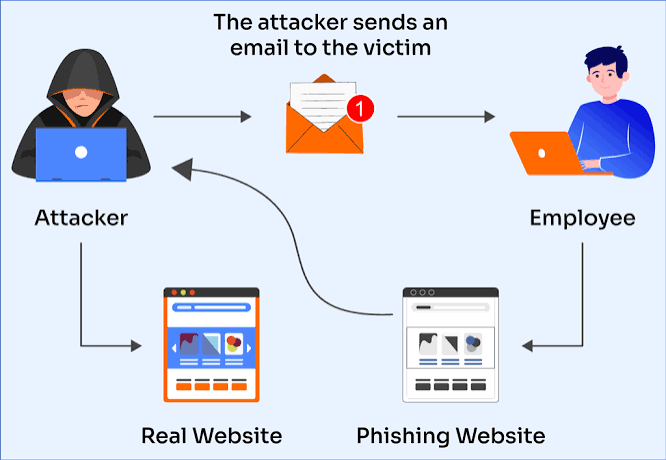
Scammers often create fear, excitement, curiosity, or urgency so people act before checking details. Slowing down is an effective safety habit. Verify unusual requests through an independently located official channel before sharing information or taking action.
Check the Web Address
Look closely at the domain spelling, subdomains, redirects, and consistency of the site. Imitation pages can copy familiar names and visual elements. A secure connection is useful, but it does not by itself prove that the operator or the information on the page is trustworthy.
Use Strong Account Security
Unique passwords and multi-factor authentication can reduce account risk. Never give a password or verification code to someone who contacts you unexpectedly. If an account needs attention, navigate to the official service independently rather than following an unfamiliar message or link.
Protect Personal Information
Avoid sharing passwords, verification codes, identity documents, financial details, or other sensitive information with unfamiliar pages. A legitimate request for personal data should have a clear purpose. Sharing less information reduces the impact if a website turns out to be unsafe.
Recognize Promotional Pressure
Online promotions may use urgency, countdowns, popularity claims, or exaggerated promises to encourage fast decisions. Separate advertising language from facts that can be checked. If a claim involves money, identity, or downloads, compare it with independent information before acting.
Understand Age Restrictions
Some search terms may lead to gambling-related or other age-restricted services. Minors should not participate in gambling or try to bypass age checks. Age limits exist because these activities can involve financial and behavioral risks.
Keep Devices Updated
Operating-system, browser, and security updates often fix known vulnerabilities. Avoid unknown downloads and review permissions for notifications, camera, microphone, and location. On shared devices, sign out of accounts and avoid saving sensitive credentials.
Financial claims deserve extra caution. Avoid decisions based on pressure, guaranteed-outcome language, or messages from strangers. Younger users should avoid age-restricted gambling services and seek guidance from a trusted adult when unsure about online requests.
Digital literacy improves through repetition. Checking domains, questioning surprising claims, limiting permissions, and protecting account credentials become easier when they are normal habits rather than emergency steps used only after a problem occurs.
Independent comparison is especially important when many pages repeat the same wording. Repetition may simply mean that material has been copied. Stronger evidence includes clear authorship, specific dates, transparent policies, and information that can be verified elsewhere.
Responsible browsing includes knowing when not to continue. If basic checks do not resolve uncertainty, users do not need to submit information, download a file, or follow instructions. Closing the page and looking for a more credible source is a sensible choice.
Privacy matters even when a website does not immediately ask for money. Tracking permissions, notification access, contact details, and account information can still be sensitive. Limiting unnecessary access is a practical way to reduce exposure.
Financial claims deserve extra caution. Avoid decisions based on pressure, guaranteed-outcome language, or messages from strangers. Younger users should avoid age-restricted gambling services and seek guidance from a trusted adult when unsure about online requests.
Digital literacy improves through repetition. Checking domains, questioning surprising claims, limiting permissions, and protecting account credentials become easier when they are normal habits rather than emergency steps used only after a problem occurs.
Independent comparison is especially important when many pages repeat the same wording. Repetition may simply mean that material has been copied. Stronger evidence includes clear authorship, specific dates, transparent policies, and information that can be verified elsewhere.
Conclusion
When researching MaanWin, focus on verifiable evidence rather than visibility, urgency, or promotional language. Protect private information, use strong account security, compare independent sources, and avoid age-restricted gambling participation. Careful browsing habits make it easier to recognize suspicious claims and make safer online decisions.