


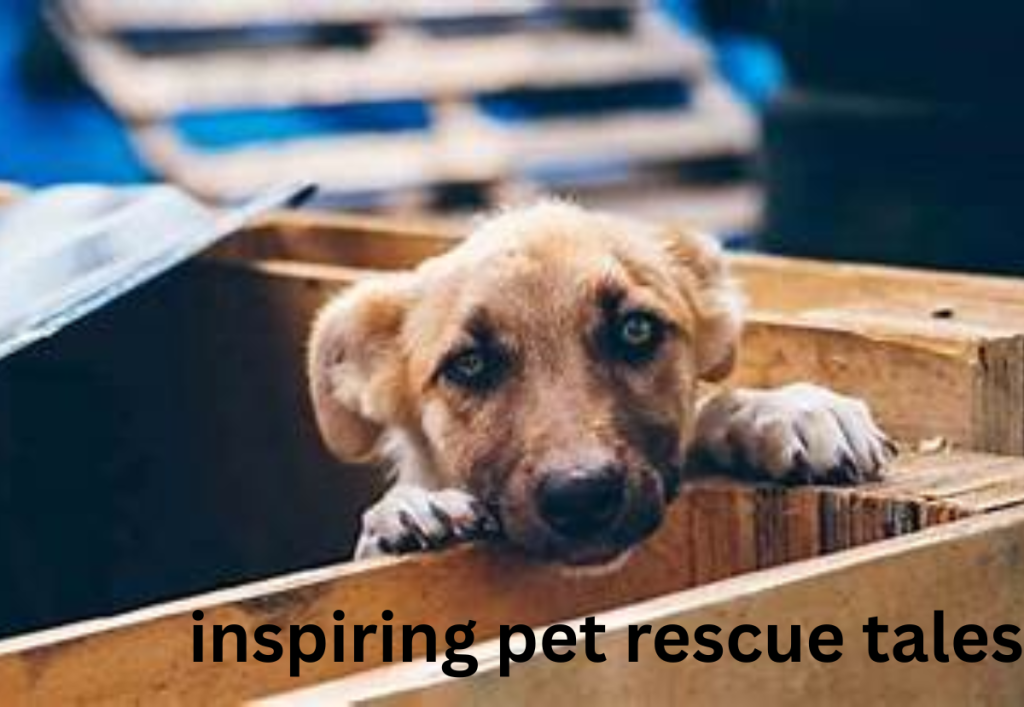
Every animal shelter has a wall of photographs that staff point to on hard days: the before-and-after pictures. A dog who arrived trembling and underweight, later grinning from a sofa. A cat found in a storm drain, later asleep in a sunbeam. Rescue animal stories are not just feel-good reading — they are the engine of the whole adoption movement, because they show sceptics what patience, veterinary care and an ordinary home can achieve. Here are the kinds of second-chance stories that shelters see again and again, and what they teach us about the animals who wait the longest.
The Dog Nobody Wanted to Touch
Among the most common rescue animal stories is the “shutdown” dog: an animal so frightened by the shelter environment that it hides at the back of the kennel, avoids eye contact and seems, to casual visitors, unfriendly. Experienced foster carers know this presentation is misleading. Given a quiet home, a predictable routine and no pressure to interact, many of these dogs unfold over days or weeks — first eating normally, then exploring a room, then, one evening, resting a chin on a knee. Behaviourists call it decompression, and it is why foster homes are so valuable: they reveal the dog that the kennel hides. Adopters who take a chance on the shy dog at the back frequently report the deepest bonds of all, precisely because trust was earned rather than assumed.
The Senior Cat Who Waited a Year
Kittens leave shelters in days; senior cats can wait a year or more, overlooked by visitors who fear vet bills or a short time together. Yet rescue animal stories from adopters of older cats are consistently glowing: seniors arrive litter-trained, calm, past the curtain-climbing stage, and deeply inclined toward laps and routine. Shelters increasingly promote them with waived fees and honest health summaries, and programmes pairing senior cats with senior people have matched thousands of quiet households. The lesson repeats everywhere in rescue work: the animal that is hardest to place is often the easiest to live with. If you are considering adoption, ask staff the simple question they love to hear — “who has been here the longest?”
Wildlife Rescues: The Ones Who Go Back
Not every rescue ends in a home; wildlife rehabilitation aims at release. Each year, wildlife hospitals treat thousands of injured hedgehogs, orphaned fox cubs, storm-grounded seabirds and owls clipped by cars. The work is unglamorous — feeding every two hours, cleaning enclosures, minimising human contact so animals stay wild — and success is measured by an opening cage door. Some cases become local legends: the swan disentangled from fishing line that returns to the same lake each spring, or the hand-reared otter cub that thrives after release. These rescue animal stories matter beyond sentiment: rehabilitators are often the first to spot emerging problems, from disease outbreaks to pollution events, and their records feed directly into conservation science. Many centres run on donations and volunteers, and even small regular gifts keep the lights — and incubators — on.
Disaster Rescues and the People Who Run Toward Them
Floods, wildfires and earthquakes produce another kind of rescue story: organised teams entering evacuated zones with carriers, boats and veterinary kits to reach the animals left behind. After major hurricanes and floods, rescue groups have reunited hundreds of pets with owners who feared the worst, using microchip databases and social media matching. These operations changed policy, too — many countries now include pets in official evacuation planning because experience showed people would risk their lives returning for animals. The takeaway for every pet owner is simple and practical: microchip your animals, keep the registration current, and keep a carrier and a few days of food accessible. Preparation turns a potential tragedy into one of the rescue animal stories with a reunion photograph at the end.
How to Be Part of the Next Story
You do not need to run a shelter to change an ending. Adoption is the obvious route, but fostering — even for a few weeks — opens a kennel space for the next arrival and gives one animal the home environment where its real personality appears. Volunteering, donating supplies your local shelter actually lists as needed, and sharing overlooked animals’ profiles online all have measurable effects; a single widely shared post is behind a surprising number of long-wait adoptions. Readers who follow our coverage regularly can find more background in our international animal coverage and other recent features. And if you already share your home with a rescue animal, telling your own story — honestly, including the hard first weeks — does more to persuade the next adopter than any advertisement a shelter could buy.
The First Fortnight: Where Stories Are Won or Lost
Ask shelter staff what decides whether an adoption becomes one of the happy rescue animal stories, and they rarely mention the animal — they mention the first two weeks. New owners who expect an adjustment period, who keep routines boring and consistent, who let a frightened animal approach on its own terms and do not take hiding or accidents personally, almost always come through. Those who expect instant gratitude sometimes return the animal at exactly the moment it was about to settle. Shelters increasingly support this window with follow-up calls, behaviour helplines and trial adoption periods, because they know the statistics: most returns happen early and preventably. If you adopt, treat the first fortnight as an investment phase — quiet house, predictable days, patience on tap — and browse our new-reader answers and site guides while your new companion sleeps off the stress of moving day. The bond on the other side of that fortnight is the whole point of rescue.
Conclusion
Rescue animal stories endure because they compress a simple truth: most “unadoptable” animals are just untested ones, waiting for the environment in which they can relax and be known. Behind every after-photo is a chain of ordinary people — the finder, the vet, the fosterer, the adopter — each doing one manageable part. Whether your part is a home, a spare room for a month, or a shared post, the next before-and-after wall is waiting for its newest photograph.


