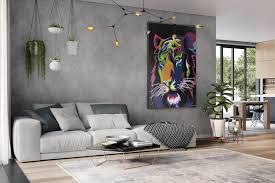

The digital entertainment landscape has become cluttered with shiny interfaces, speedy movement, reward loops and all kinds of visual cues. Design in that space must have more to it than aesthetics. It has to be detected in the first place, recognised effortlessly, and recalled once the screen is turned off.
Animal motifs will help with that. An eagle, a fox, a snake, an elephant or a bird before an opening line of text can imply energy, focus, caution, strength, speed, or freedom. These images of familiarity appear in stories, in our nature content, in games, in logos, and are seen in local culture, early in our lives.
This is also why readers exploring themed entertainment spaces, including desi online platforms, may notice how animal inspired visuals make digital products feel more vivid, recognizable, and easy to enter without long explanations.
Familiar Shapes Are Easier to Read
A strong digital interface often depends on fast recognition. Users do not study every detail on a screen. They scan, react, and decide where to look next. Animal motifs work well in this setting because their shapes are usually clear. Wings, claws, eyes, tails, horns, and silhouettes can be understood even at small sizes.
This matters in mobile entertainment, where space is limited and attention moves quickly. A detailed paragraph cannot always explain the mood of a game, feature, or visual theme. An animal image can do part of that work instantly.
A lion may suggest confidence. A fox may suggest clever movement. A snake may create tension. A bird may make a design feel lighter. These are broad visual associations, not fixed rules. Still, they help users build meaning from the screen without feeling overloaded.
The advantage is subtle. Animal motifs do not need to dominate a design. Even a small icon, background element, loading animation, or character detail can make a platform easier to remember.
Nature Makes Digital Spaces Feel Less Mechanical
Digital products can feel cold when every element looks purely technical. Buttons, grids, menus, and account screens are functional, but they rarely create emotional memory on their own. Animal inspired design can soften that effect.
Nature based visuals bring movement and character into spaces that might otherwise feel flat. Feathers, scales, fur patterns, paw marks, jungle colors, and animal silhouettes can add texture without making the interface messy. When used carefully, they make the product feel more alive.
This is especially useful in entertainment design. People arrive for relaxation, curiosity, play, or a quick break. A sterile visual style may work for banking or productivity tools, but entertainment needs a stronger sense of atmosphere. Animal motifs can help create that atmosphere quickly.
The best use is controlled. Too many animal elements can turn a screen into visual clutter. A focused motif works better than a crowded theme. One memorable creature, one clear pattern, or one repeated visual cue can carry more value than a full page packed with decoration.
Animal Symbols Support Memory Without Heavy Branding
Many digital products compete for the same user habits. Open the app, scroll, tap, leave, return later. In this cycle, memory becomes a real design asset. Users are more likely to return when a product leaves a clear mental image.
Animal motifs help because they are concrete. A user may forget a generic button style or a standard promotional banner. A sharp eagle mark, a playful monkey character, or a calm elephant inspired screen is easier to recall.
This does not mean every entertainment product needs a mascot. A mascot can work, but animal motifs can also appear in quieter ways:
- As visual themes for categories, levels, or sections.
- As icons that help users recognize actions faster.
- As background patterns that create atmosphere.
- As animated details that make waiting screens feel less dull.
- As identity cues across landing pages, app screens, and social visuals.
The goal is not decoration for its own sake. The goal is continuity. When the same animal inspired idea appears across different touchpoints, users form a stronger connection between the visual cue and the product experience.
Regional Culture Changes the Meaning of Animal Motifs
There are no universal rules for the meaning of animal image. The same animal may be lucky in one culture, unlucky in another, friendly in a third, and mysterious in another. It’s valuable for digital entertainment design to be regional aware.
A designer cannot presume that a symbol will flow across the markets easily. The reception of an animal motif can vary with colors, poses, facial expressions and visual details in the environment. A tiger presented in a well-done manner can be different than a tiger presented in an aggressive manner. The warning snake might evoke a different reaction from the sleek snake.
Here is where local research can be applied. Teams need to consider the ways in which animal symbols have already been encountered in the media, festivals, sports branding, folk stories, apps and everyday products by people in a target region. It’s not about copying culture superficially. The aim is to steer clear of lazy designing and select visuals which seem natural to the audience.
Regional habits also affect format. Some audiences respond better to bold character driven visuals. Others prefer cleaner design with small symbolic details. Mobile screen size, internet speed, and language comfort can influence how much visual complexity users tolerate.
Good Animal Design Needs Restraint
Animal motifs can become weak when they are used too literally. A wolf on every page, claws around every button, or a jungle background behind every screen can make a product feel noisy. Strong design usually works with restraint.
The animal element should have a purpose. It might guide attention, create mood, support a category, signal a feature, or make a brand easier to recognize. If it does none of those things, it becomes decoration that competes with usability.
Good execution often comes down to simple choices. The motif should be readable at small sizes. It should match the tone of the product. It should not slow the interface. It should not make text harder to read. It should respect local meanings. It should work across mobile screens, landing pages, and promotional visuals.
Entertainment design has room for personality, but personality should not fight clarity. Users still need to understand where to tap, what is available, what happens next, and how to return. Animal motifs should support that path, not distract from it.
A Quieter Way to Earn Attention
There is a growing usefulness of animal motifs; they are fulfilling a real design need. The amount of content, platforms, and visual competition exceeds what users can digest on digital entertainment. In that context, recognizability and memorability are the greatest assets.
Animal inspired visuals provide both. They possess feelings without extended copy. They set the mood with minimal description. They relate digital spaces to ideas from nature, culture and everyday storytelling.
Thoughtful regional and restrained use of these motifs is the smartest. A great animal image should feel like it’s there, not like it’s pasted on. If this balance is achieved, the design is more memorable, more human, more inviting, but not louder than it has to be.